
Anxiety can make even simple daily tasks feel overwhelming. Hypnotherapy helps many people reduce anxiety by changing the automatic mental patterns that trigger excessive worry, tension, and emotional overwhelm.
Rather than fighting anxiety at the conscious level, hypnosis works with the subconscious mind where many emotional habits are stored.
What Is Hypnotherapy?
Hypnotherapy is a practical process that helps you access and influence subconscious patterns that operate automatically beneath conscious awareness.
Many of the reactions that shape daily life happen without deliberate choice:
- Anxiety in situations that shouldn’t feel threatening
- Self-doubt despite evidence of competence
- Emotional reactions that seem automatic
- Habits you keep repeating
- Fear responses that don’t make logical sense
- Difficulty sleeping despite being exhausted
You may understand the problem intellectually and still experience it emotionally.
Hypnotherapy helps bridge that gap.
Rather than focusing only on conscious understanding, it works directly with the mental processes that drive behavior, emotions, habits, and automatic responses.
Why Anxiety Persists
Many people believe anxiety is caused by their circumstances. In reality, anxiety often continues because the mind develops automatic patterns of anticipation, fear, and overthinking.
Common symptoms include:
- Constant worrying
- Racing thoughts
- Difficulty relaxing
- Physical tension
- Trouble sleeping
- Fear of making mistakes
Over time, these patterns become automatic.
How Hypnosis Works
Hypnosis interrupts these automatic responses and replace them with calmer mental habits.
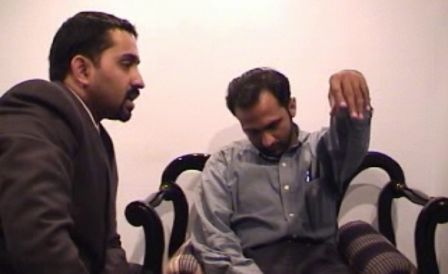
Many people use hypnosis to:
- Reduce excessive worrying
- Create emotional calm
- Improve stress management
- Build confidence in difficult situations
- Sleep more easily
The goal is not to suppress emotions. The goal is to change how the mind responds to triggers.
Practical Steps to Reduce Anxiety
Step 1: Identify Common Triggers :
- Notice situations that consistently create stress or worry.
Step 2: Interrupt Negative Patterns
- When anxiety appears, pause and focus on slow breathing rather than feeding the thought pattern.
Step 3: Use Relaxation Daily
- Regular mental relaxation helps reduce emotional reactivity.
Step 4: Train New Responses
- The mind learns through repetition. Calm responses become stronger when practiced consistently.
Hypnotherapy for Anxiety: An Important Distinction
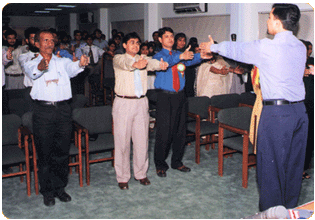
After working with thousands of clients since 1997, one pattern appears repeatedly: people often try to solve anxiety by analyzing it. The more they analyze, the more attention they give it.
Hypnosis focuses on changing the automatic response rather than endlessly examining the problem.
Learn Practical Hypnosis Skills
If you want to understand how hypnosis can help anxiety and many other emotional challenges, Hypnosis Pakistan provides over 100 hours of practical training designed to build real-world skills.
You’ll learn:
- Foundations of hypnosis
- Practical hypnotic techniques
- Self-hypnosis methods
- Professional client-change processes

Hypnosis Pakistan is a subsidiary of The First Institute of Dynamic Learning, LLC (USA).
Led by Kamran Sultan, Master Trainer of NLP and Hypnosis, Hypnosis Pakistan is built on more than 29 years of professional experience, over 3,000 client cases, and tens of thousands of hours studying, teaching, and applying hypnosis in real-world settings.
Our programs are grounded in practical application, clinical experience, and proven methods refined through decades of work with real clients. Whether your goal is personal transformation, helping others create lasting change, or building your business as a hypnosis trainer, you’ll learn techniques and processes you can begin applying immediately.
Frequently Asked Questions
Can I learn self-hypnosis?
Yes. Self-hypnosis is part of hypnosis practitioner training and a practical skill many people use for relaxation and emotional management.
Can hypnosis cure anxiety?
Hypnosis is commonly used to help people manage anxiety and develop calmer emotional responses.
How many sessions are needed?
This varies by individual and the nature of the anxiety pattern.
How can I learn more about hypnotherapy?
You can learn more on this page.