
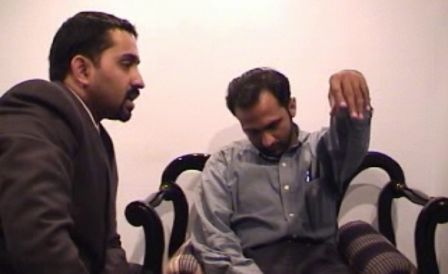
Many people want to learn how to hypnotize others. Before you learn that, there are few things to know well.
Hypnosis is a natural human condition that involves focused attention, reduced peripheral awareness, and an enhanced capacity to respond to suggestion. Any person can learn to guide another into this state.
The process usually begins with a hypnotic induction, a series of preliminary instructions and suggestions that lead the subject into hypnosis. Hypnotizing people does not mean you can make them do anything you want. They will be in control and can accept or refuse any suggestions you give them.
Below are three simple, repeatable methods you can use to hypnotize others. Each method follows the four standard stages: induction, deepening, suggestions, and emergence.
Before You Hypnotize Someone: Suggestibility Tests
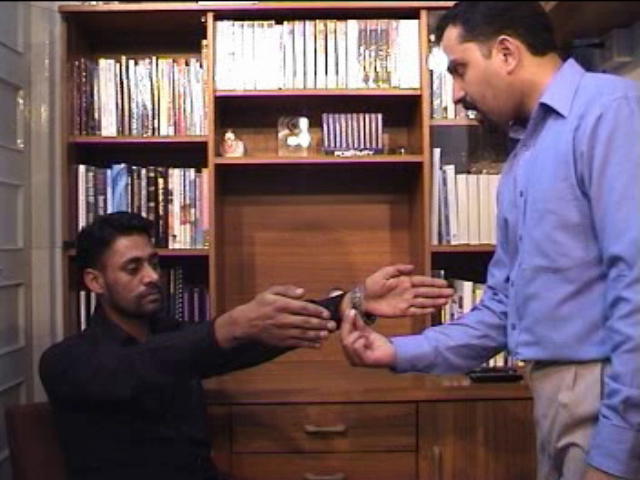
Before starting any induction, it helps to run a quick suggestibility test. This shows you how easily the subject responds to simple suggestions and builds their confidence in the process. There are many different ways to do this, that you learn in my hypnosis practitioner course.
One common test is the finger lock or eye closure test.
- Ask the subject to look up at a finger you hold above their eye level.
- Tell them to keep looking at the finger as you slowly move it downward toward their nose.
- As they follow the finger, instruct them to close their eyes when the finger reaches the bridge of their nose.
- If their eyes close smoothly, they are showing good suggestibility. If not, try again with more relaxed instructions.
Such tests are not mandatory, but they prepare the subject for the induction and increase their responsiveness to your later suggestions.
How to Hypnotize Using Progressive Relaxation Induction

When I teach people how to hypnotize others, Progressive relaxation is one of the first methods I teach. It works by guiding the subject’s attention through different muscle groups, releasing tension and deepening relaxation.
The subject remains in full control of their mind and thoughts throughout; they do not lose consciousness. This method is ideal for beginners because it is gentle and easy to follow.
Steps for Progressive Relaxation
- Ask the subject to sit or lie down in a comfortable position. Instruct them to take two or three deep breaths and close their eyes.
- Begin with the feet. Say something like, “Bring your attention to your feet. Feel the muscles in your feet. Now let them relax completely.”
- Slowly move upward: ankles, calves, knees, thighs, hips, stomach, chest, hands, arms, shoulders, neck, jaw, and face. Use a calm, rhythmic voice.
- After the body is fully relaxed, use the deepening stage. For example, suggest they imagine walking down a staircase with ten steps, and at each step they go twice as deeply relaxed.
- Once the subject is deeply relaxed, deliver your therapeutic suggestions directly and clearly.
- End the session with the emergence stage. Count from one to five, telling them they will feel refreshed and alert when you say the number five.
Sessions usually last around an hour. Several sessions are typically needed before noticeable changes occur, so patience and practice are important.
How to Hypnotize using The Handshake Distraction Induction

When you have gained some skills in how to hypnotize someone using the above method, you may want to learn a shorter method.
The handshake distraction is an instant induction technique that capitalizes on surprise and confusion to quickly shift the subject’s attention. It is often used in stage hypnosis but can be applied in a therapeutic setting with a willing subject.
The key is to break the subject’s automatic pattern of behavior for a split second, then catch their focus.
How to Perform the Handshake Distraction
- Stand facing the subject. Extend your hand for a normal handshake.
- As they reach out and your hands connect, grip their hand slightly differently. For example, place your thumb on the back of their hand instead of clasping normally.
- While holding their hand, give a gentle but firm tug that brings them slightly off balance. At the same time, give a direct verbal command: “Sleep!” or “Relax now!”
- The combination of the physical disruption and the command creates a moment of heightened suggestibility. The subject may close their eyes and enter a light trance.
- If they do not fully go under, immediately guide them into a deepening technique. For instance, ask them to close their eyes and take a deep breath, then continue with a staircase visualization.
This method works best when the subject expects a normal handshake and has already agreed to be hypnotized. Always get permission before trying any induction technique.
How to Hypnotize with Spinning Countdown Induction
The spinning countdown is another instant technique that uses physical movement and mental distraction to induce hypnosis quickly. It is a classic method used by hypnotists for both therapeutic and entertainment purposes. The subject remains safe throughout, and you can use it as a fast way to reach a trance state.
Steps for the Spinning Countdown
- Ask the subject to stand with their arms at their sides and their eyes closed.
- Tell them you are going to spin them gently while they count backwards from ten to one.
- Begin to spin them slowly, one rotation per number. As they say each number, tell them they are going deeper and deeper into relaxation.
- When they reach the number one, stop the spinning. Their eyes should remain closed, and they will likely be in a light to medium trance.
- If they appear unsteady, support them by placing a hand on their shoulder. Then guide them into a comfortable seat while deepening the trance further.
- Follow with your therapeutic suggestions, and later emerge them with a count up.
Some people use auditory focus tools like metronomes, regular tapping, or clicking noises during the countdown to enhance concentration. The spinning motion combined with the counting overloads the conscious mind, allowing the subconscious to become more receptive.
Important Things to Remember When Hypnotizing Others
Hypnosis is safe and low-risk. However, the subject remains in control of their mind and thoughts at all times. They will not do anything against their will, and they can open their eyes at any moment. Research indicates that hypnotizing an individual may aid the formation of false memories, so always use hypnosis ethically and with the person’s full consent. The use of hypnosis for therapeutic purposes is called hypnotherapy; its use as entertainment is stage hypnosis. Whichever path you choose, always treat the subject with respect and maintain a clear intention to help.

To learn hypnosis from basic to advanced levels, get Hypnosis Pakistan subscription and get five certification courses starting from basic to practitioner of hypnosis, Hypnosis Specialist and even a Certified trainer of Hypnosis. Start your free trial now

ABOUT HYPNOSIS PAKISTAN
Hypnosis Pakistan is a subsidiary of The First Institute of Dynamic Learning, LLC (USA).
At Hypnosis Pakistan, led by Master Trainer and Clinical Hypnotherapist Kamran Sultan, with over 30 years of experience, 37,000+ training hours, and 3,000+ clients trained, hypnosis and hypnotherapy are taught in both Urdu and English through structured, practical training programs.
Our training is based on real-world application refined over three decades, not just theory. Whether you begin with the Hypnosis Bootcamp, advance through the Hypnosis Practitioner Certification, specialize with the Hypnosis Specialist Program, or develop instructor-level skills through the Hypnosis Trainer Certification, you gain practical techniques you can apply immediately to help yourself and others create lasting change.
Frequently Asked Questions
Is it possible to hypnotize someone instantly?
Yes, instant induction techniques like the handshake distraction or spinning countdown can bring a person into hypnosis within seconds. However, the depth of trance varies by individual, and some people may need a slower, more gradual induction to reach the same state.
Can I hypnotize someone without their permission?
No. Hypnosis requires a willing subject who agrees to be guided. Even with instant techniques, the person’s cooperation is essential. Attempting to hypnotize someone without their knowledge or consent is unethical and unlikely to succeed.
How long does a hypnosis session usually last?
A typical hypnosis session lasts around an hour. This includes time for the induction, deepening, delivering suggestions, and emerging the subject. Several sessions are usually needed before you see lasting changes.
Will the person lose consciousness during hypnosis?
No. During hypnosis, the person remains aware of their surroundings and in control of their mind. They enter a state of deep relaxation and focused concentration, but they are not asleep or unconscious. They can stop the process at any time.
What conditions can hypnosis help treat?
Hypnosis can assist with stress, anxiety, panic attacks, phobias, depression, PTSD, insomnia, chronic pain, asthma, IBS, fibromyalgia, migraine, and other conditions. Many of its benefits are based on anecdotal reports rather than rigorous scientific proof, but it remains a valuable complementary therapy.
These three methods give you a solid foundation to begin hypnotizing others. Practice each one with a willing friend or family member. Pay attention to their responses and adjust your pace accordingly. With repetition, your skill will grow, and you will be able to guide people into deep, productive hypnotic states with ease.